
A leak that looks like a cracked pipe boot may remain a small repair, or it may expose brittle shingles, failed flashing, soft decking, and a roof system near the end of service life. Compare roofing contractors by evidence, scope risk, and written assumptions before comparing price.
How should a homeowner compare roofing contractors when a roof leak may require repair or replacement?
Homeowners should compare roofing contractors by temporary leak control, inspection proof, repair boundaries, replacement assumptions, permit handling, and written escalation rules.
- Ask for water control first: safe tarping, temporary flashing, or sealant at a named penetration.
- Document inspection limits: rain, ice, high wind, steep slope, solar panels, and wet decking can prevent a complete inspection.
- Avoid emergency pressure: do not approve full replacement without photos, measurements, and a written scope.
Strong roofing companies show the leak path with roof photos, attic moisture signs, failed pipe boots, nail pops, chimney flashing gaps, granule loss, decking deflection, and ventilation defects. Jefferson Parish requires location-verified, geo-tagged photos for residential re-roofing phases under its Residential Re-Roofing Permits process. The key comparison is whether a replacement recommendation rests on system-wide evidence.
What inspection evidence should roofing contractors provide before recommending full replacement?
Roofing contractors should provide location-specific evidence that connects visible defects to the leak path, roof age, underlayment condition, decking condition, flashing details, ventilation, and local installation rules.
| Recommendation | Evidence to request | What the evidence should prove |
|---|---|---|
| Limited roof repair | Close photos of a pipe boot, chimney flashing, valley, skylight, missing shingles, nail pops, or wall transition | One leak path exists and surrounding materials can accept a clean repair |
| Full roof replacement | Wide photos showing repeated defects, brittle shingles, curling, granule loss, failed flashing, soft decking, or multiple leaks | The roof assembly has system-wide failure, not one isolated stain |
| Code or installation concern | Photos of exposed deck, underlayment, drip edge, flashing, nail pattern, packaging, and wind-rating labels | The proposed work can meet local code and manufacturer requirements |
A credible repair bid should name the source and stopping point: one cracked pipe boot, chimney counterflashing, a short valley section, or a small field of damaged shingles. Matching shingles, discontinued colors, brittle tabs, and previous overlay work can make a small repair unreliable.
A credible replacement bid should show repeated failure, such as widespread granule loss, curled shingles, multiple leak paths, failed underlayment, poor ventilation, or decking damage beyond the visible stain. Attic evidence can include wet insulation, rusted nail tips, mold-like staining, daylight at penetrations, delaminated decking, blocked soffit vents, or bath fans dumping moisture into the attic. If access is limited, the estimate should say so.
The Insurance Institute for Business & Home Safety notes that minimum roof assembly requirements appear in model codes where adopted. Once the evidence is clear, compare the estimate line items.
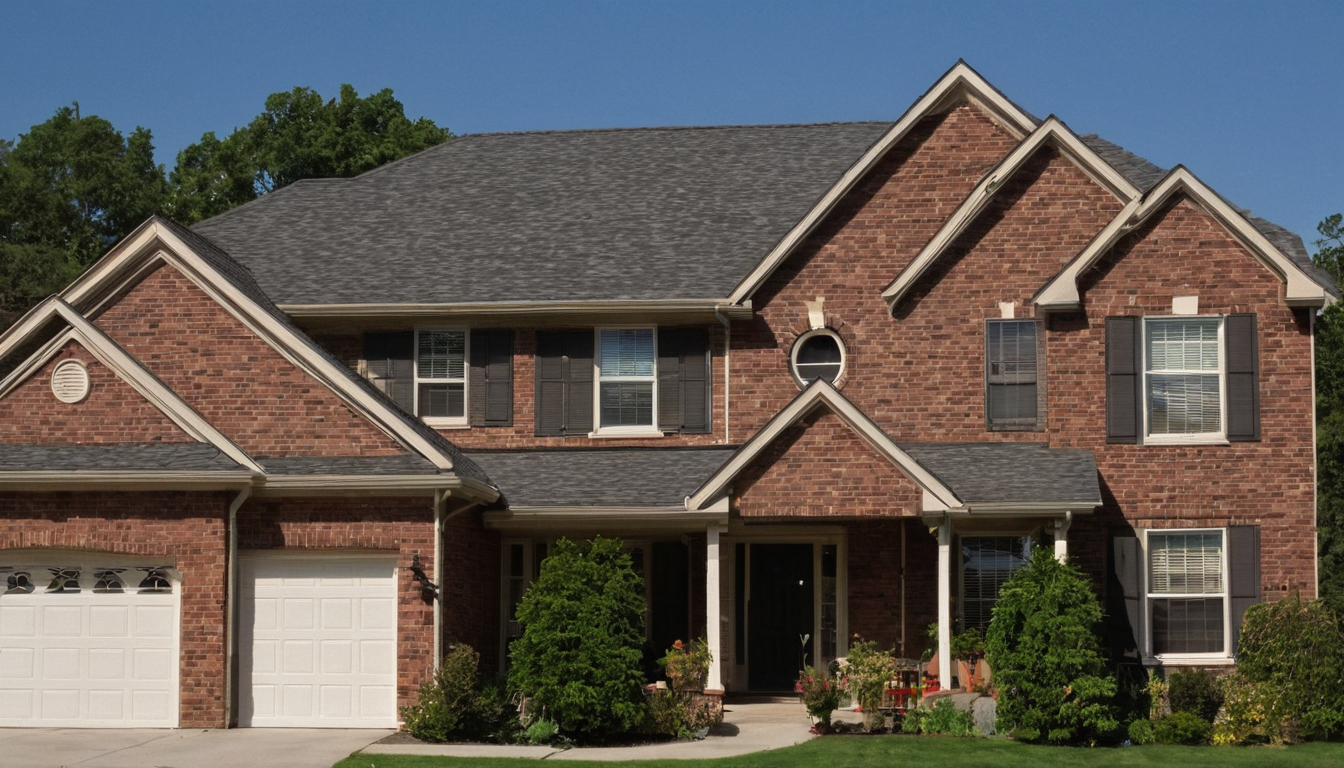
What inspection evidence should roofing contractors provide before recommending full replacement shown with practical context cues.
Which roofing estimate line items make repair and replacement bids comparable?
Roofing estimates become comparable only when each contractor prices the same assumptions for access, tear-off, disposal, decking, flashing, underlayment, ventilation, edge metal, cleanup, permits, and warranty.
A roof repair estimate should name the leak source, not just say “repair leak.” Ask each roofing contractor to identify the shingles, pipe boot, valley, skylight curb, chimney flashing, wall flashing, ridge vent, or fastener area being opened. Require line items for removal, replacement material, flashing metal, sealant, fasteners, matching shingles, labor, disposal, and water testing when practical. Exclusions for attic insulation, drywall, paint, mold remediation, and damaged framing should be written.
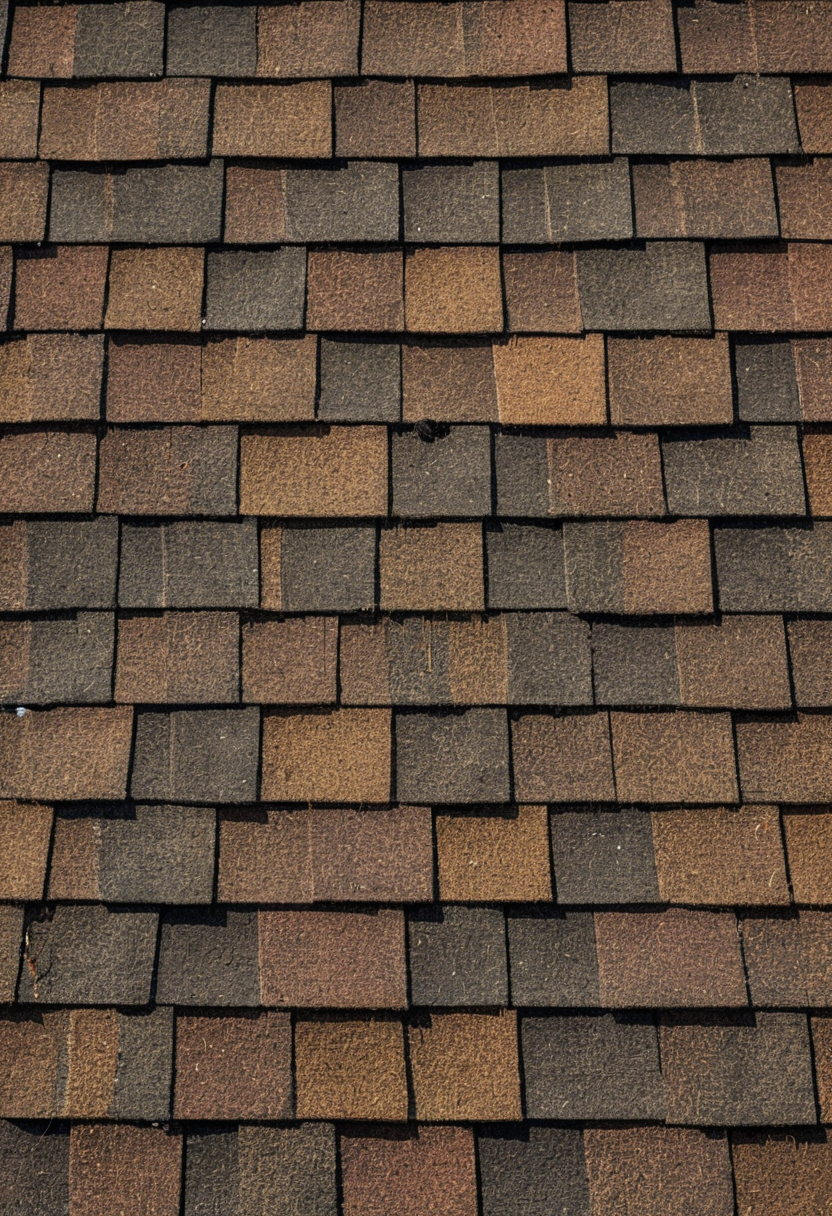
Which roofing estimate line items make repair and replacement bids comparable shown with practical context cues.
A replacement bid should price tear-off layers, disposal, deck inspection, underlayment, ice or water barrier where required, starter strip, field shingles, ridge cap, drip edge, vents, flashing, pipe boots, fasteners, cleanup, permit handling, and workmanship warranty. Jefferson Parish residential re-roofing rules state that completion depends on required photographs satisfying verification rules.
Decking replacement should be priced by unit and trigger condition. Require a unit price for plywood or OSB by sheet or square foot, plus trigger language for rot, delamination, broken sheathing, spaced planks, soft deck areas, or code-required upgrades.
What cost drivers explain why one roofer recommends repair and another recommends replacement?
The biggest roofing cost drivers are roof size, pitch, height, access, layer count, material type, flashing complexity, decking damage, ventilation correction, weather exposure, and local labor demand.
Open-field shingle repairs often stay lower because the roofer can remove a small area, replace underlayment, and tie new shingles into the existing course. Flashing leaks cost more because the failure sits where roof planes meet walls, chimneys, skylights, valleys, dormers, or plumbing penetrations and may require disturbing siding, stucco, masonry, trim, or valley metal.
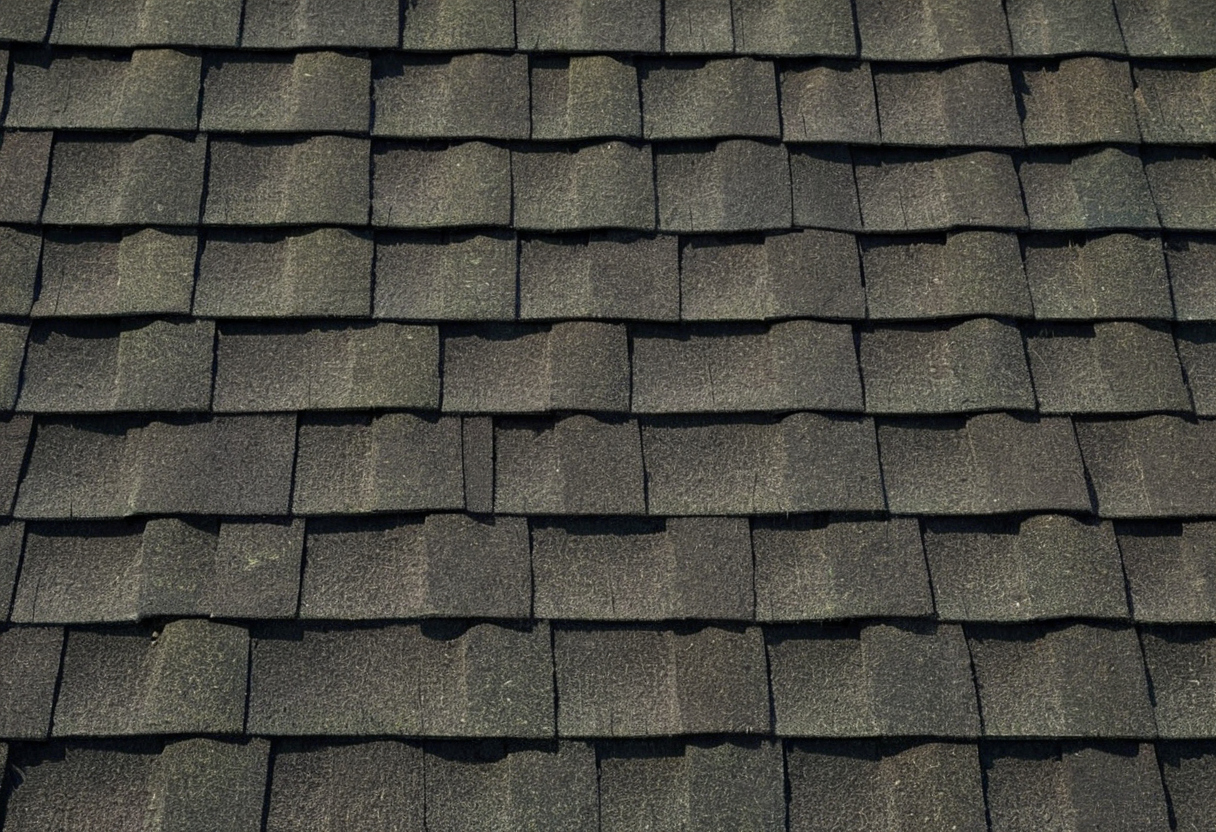
What cost drivers explain why one roofer recommends repair and another recommends replacement shown with practical context cues.
Replacement pricing often starts by the roofing square, meaning 100 square feet, then climbs with tear-off layers, steep-slope staging, multi-story access, tight driveways, disposal distance, and weather scheduling. A complete replacement bid should include drip edge, underlayment, ice barrier where required, starter strips, ridge caps, ventilation correction, flashing integration, and decking replacement by unit. In hot dry regions, review material specification in arid climates when climate durability drives the scope.
When do roofing permits, the 25% rule, or inspections affect the repair versus replacement decision?
Roofing permits and inspection thresholds vary by city, county, state, and adopted building code, so homeowners must verify local rules before signing.
The 25% rule is local, not universal. Chicago’s reroofing permit guidance limits eligible roof repair under its Express Permit Program to 25% of roof area, while Jefferson Parish, Louisiana requires a re-roofing permit before replacing 50% or more of the roof covering on one- and two-family dwellings in unincorporated areas.
The roofing contract should state who pulls the permit, who schedules inspections, and who provides proof of final approval. The building department is the right contact for local code questions, because IBHS notes that jurisdictions amend model codes and roofing repairs or replacements must meet applicable code even where a permit is not required.
Which licensing, insurance, warranty, and contract terms should homeowners verify before hiring roofing contractors?
Homeowners should verify license status, liability insurance, workers compensation coverage, permit responsibility, written scope, payment schedule, change-order process, workmanship warranty, manufacturer warranty, and cleanup obligations before signing.
License checks should match the jurisdiction and roof scope. Ask each roofing contractor for the license number, certificate of liability insurance, workers compensation certificate, policy dates, and roofing exclusions. Warranty comparison should separate contractor workmanship from manufacturer coverage. Workmanship covers installation errors, such as flashing placement, nail pattern, or cleanup damage. Manufacturer coverage usually depends on approved materials, ventilation, accessories, and installation.
Change-order terms should price rotten decking, damaged fascia, concealed flashing defects, and code-required upgrades before work starts. Require written approval before added work proceeds, with unit prices for plywood or OSB replacement. If a bid adds another roof-cover layer or changes to heavier material, IBHS cautions that added dead load should be assessed and verified.
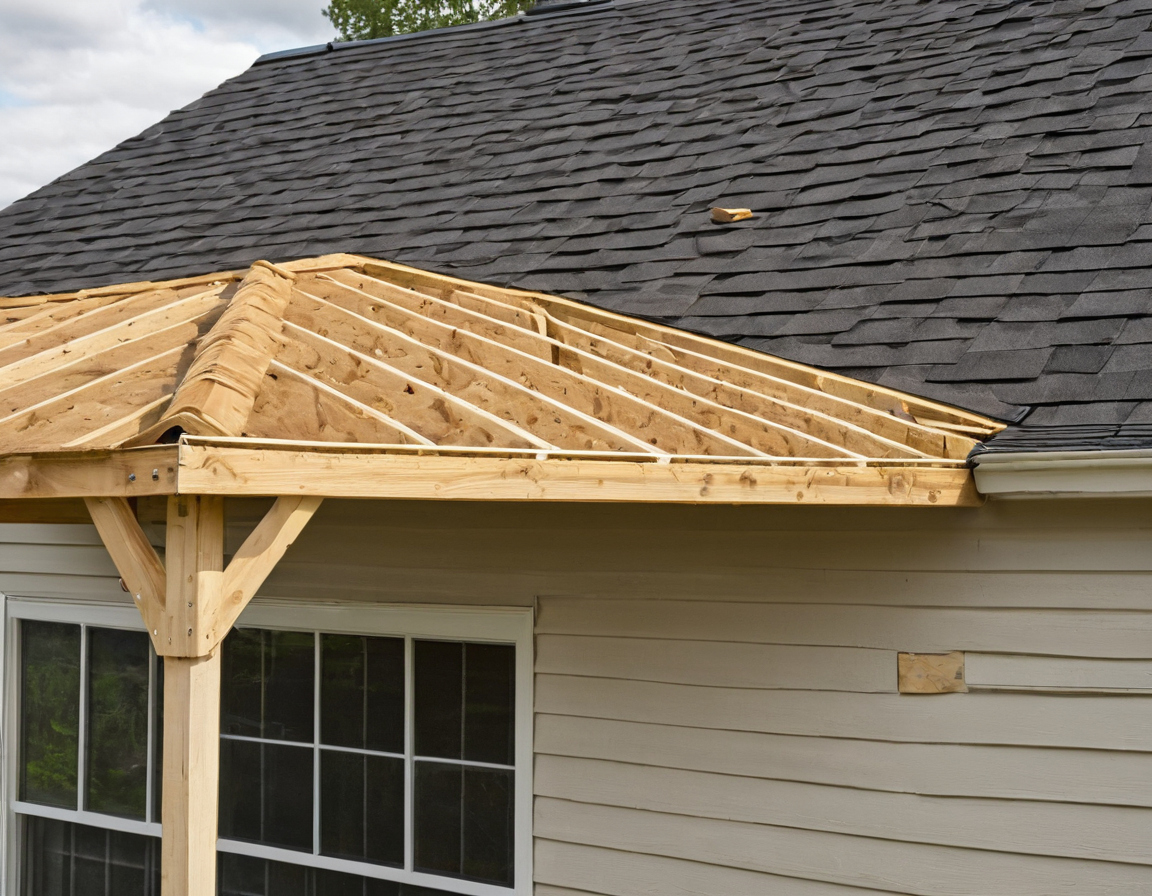
Which licensing, insurance, warranty, and contract terms should homeowners verify before hiring roofing contractors shown with practical planning details.
What decision workflow helps a homeowner choose between roof repair and full replacement?
A practical workflow ranks each roofing contractor by leak control, inspection evidence, code compliance, bid completeness, hidden-damage pricing, warranty clarity, schedule, and communication.
Choose roof repair when the failure is isolated, accessible, and compatible with the existing roof. The contractor should confirm matching materials, sound decking, compatible sealants or membranes, and a clear tie-in boundary.
Choose full roof replacement when the roof assembly is failing in multiple places: multiple leaks, brittle shingles, widespread granule loss, failed underlayment, poor ventilation, damaged decking, or flashing failures at several transitions. If rain is forecast and interior damage continues, authorize temporary dry-in first, then decide final scope after inspection.
| Compare | Contractor A | Contractor B |
|---|---|---|
| Diagnosis, scope, permit, decking unit price | ||
| Flashing, ventilation, warranty, exclusions | ||
| Payment terms, start date, communication |
Rank the roofer with the clearest evidence trail before the cheapest number.
FAQ
What is considered a full roof replacement when comparing roofing contractors?
A full roof replacement usually means installing a new roof assembly across the roof area, including underlayment, flashing, vents, edge metal, shingles or panels, and related accessories.
What is the 25% rule in roofing, and does it apply everywhere?
The 25% rule is a local threshold where adopted. Chicago uses a 25% roof-area limit for eligible Express Permit Program roof repair, but other jurisdictions use different thresholds or no percentage rule.
What is the average cost to fix a roof leak compared with replacing the roof?
Many leak repairs cost hundreds to low thousands of dollars, while replacement usually costs much more because it includes tear-off, disposal, underlayment, flashing, ventilation, decking allowances, and full roof covering.
What should a homeowner avoid saying or signing when a roof insurance adjuster is involved?
A homeowner should avoid signing an open-ended assignment, blank contract, or full replacement approval before the roof scope, deductible responsibility, payment terms, and change-order rules are written.
How many roofing companies should a homeowner compare before choosing roof repair or replacement?
Compare at least two roofing companies when safety and weather allow. Three bids give a better read on diagnosis, line items, permit handling, warranty terms, and hidden-damage pricing.